




Orofacial Pain & Dental Pain
Our Dental Services
We always take care of your smile & Self Confidence
Hot Line Number:
0120-2505505
Monday To Saturday
11: 00 AM - 2:00 PM
6:00 PM - 8:30 PM
Orofacial Pain & Dental Pain
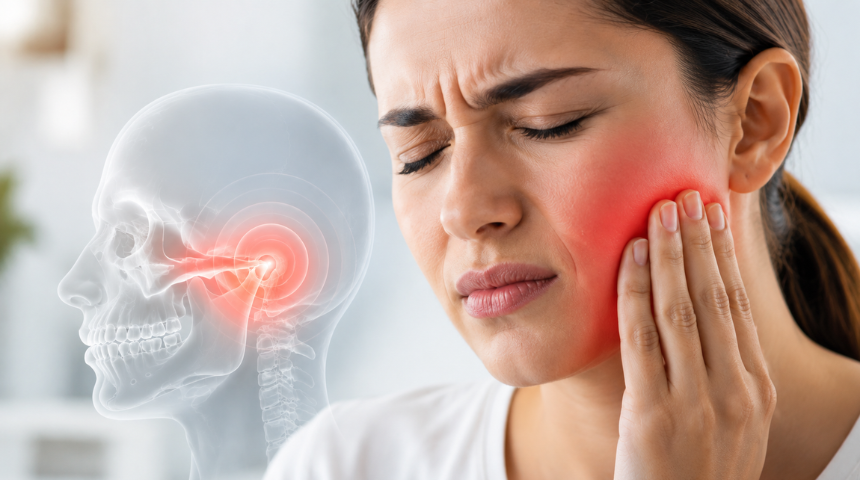
Orofacial pain is described as pain which is felt in the mouth, jaws and the face. OFP is the specialty of dentistry that encompasses the diagnosis, management and treatment of pain disorders of the jaw, mouth, face and associated regions.
Trigeminal Neuralgia is regarded as one of the severest pain of the body and has to be differentiated from other Orofacial pain e.g. teeth, Temporo Mandibular Joint. Pain of Trigeminal Neuralgia is related to pain of one of the branches of Trigeminal Nerve of the facial region and often misdiagnosed as pain of teeth. Many teeth are often sacrificed without any relieve from pain when misdiagnosed.
Key Benefits of Orofacial Pain & Dental Pain
Effective Pain Relief – Helps reduce or eliminate tooth, jaw, facial, and oral pain for improved daily comfort.
Accurate Diagnosis – Identifies the underlying cause of pain, including dental, nerve, muscle, or jaw-related conditions.
Improved Jaw Function – Relieves pain associated with chewing, speaking, jaw movement, and other everyday activities.
Personalized Treatment – Treatment is tailored to the specific cause, severity, and symptoms of each patient.
Better Quality of Life – Managing chronic or recurring pain can improve sleep, eating, concentration, and overall well-being.

- Comprehensive Pain Assessment
- Advanced Diagnostic Evaluation
- Personalized Treatment Planning
- Management of Jaw & Facial Pain
- Long-Term Pain Relief & Care
FAQs - Orofacial Pain & Dental Pain
1. What is orofacial pain?
Orofacial pain refers to discomfort in the mouth, jaw, face, teeth, or surrounding areas. It may result from dental problems, jaw disorders, nerve conditions, or muscle tension.
2. What causes dental and facial pain?
Common causes include tooth decay, infections, gum problems, impacted teeth, TMJ disorders, nerve-related conditions, and facial muscle problems.
3. When should I see a specialist for orofacial pain?
You should seek professional evaluation if pain is persistent, recurring, severe, or affecting eating, speaking, sleeping, or normal jaw movement.
4. How is orofacial pain diagnosed?
Diagnosis may involve a detailed medical and dental history, clinical examination, assessment of jaw function, and imaging or other tests when required.
5. Can orofacial pain be treated effectively?
Yes. Treatment depends on the underlying cause and may include dental treatment, medication, physical therapy, bite or jaw management, or other specialized approaches.