



Facial Trauma
Our Dental Services
We always take care of your smile & Self Confidence
Hot Line Number:
0120-2505505
Monday To Saturday
11: 00 AM - 2:00 PM
6:00 PM - 8:30 PM
Facial Trauma
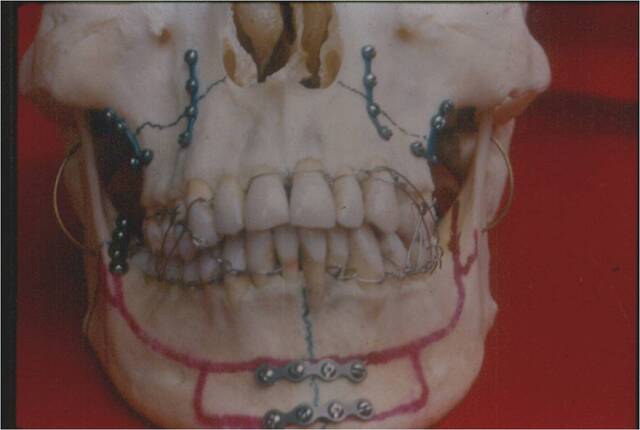
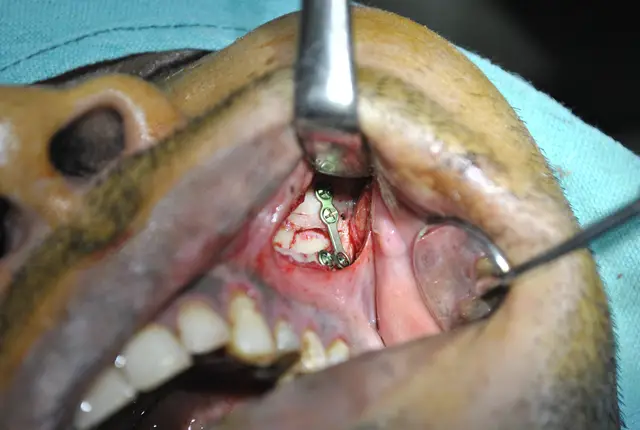
Teeth being an integral part of our jaws, a detailed understanding of Occlusion is what uniquely qualifies Oral and maxillofacial Surgeons to manage and treat facial trauma. We provide expert treatment for various kinds of facial injuries including..
1 - Facial Lacerations
2 - Intraoral lacerations
3 - Dentoalveolar Injuries
4 - Fractured Jaws Upper and Lower( Maxilla and Mandible)
5 - Fractured bones of upper face; cheek, nose, orbit(eyes)
Key Benefits of Facial Trauma
Restores Facial Structure – Helps repair fractures and injuries involving the facial bones, supporting proper alignment and healing.
Preserves Facial Function – Treatment can help restore important functions such as chewing, speaking, breathing, and normal jaw movement.
Reduces Pain & Swelling – Proper management of facial injuries can help control pain, swelling, and other symptoms during recovery.
Improves Facial Symmetry – Accurate fracture management can help restore facial contours, alignment, and overall appearance.
Prevents Long-Term Complications – Timely evaluation and treatment can reduce the risk of problems such as improper bone healing, bite changes, infection, or functional difficulties.

- Comprehensive Facial Injury Assessment
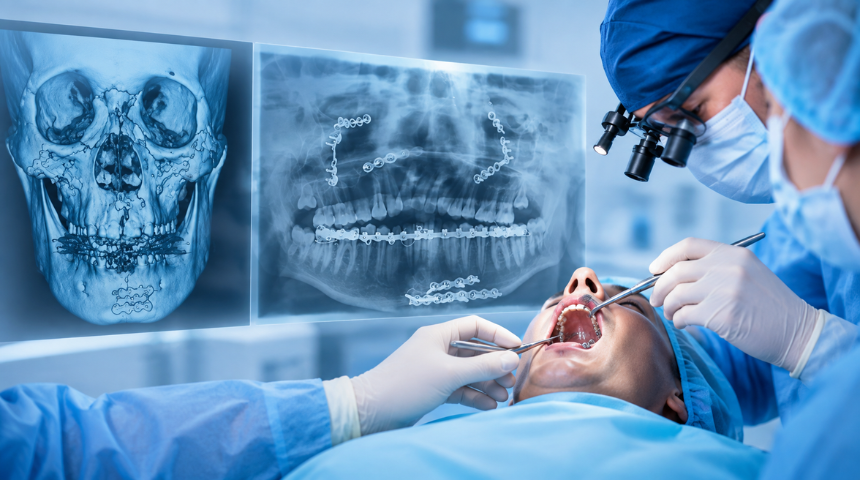
- Advanced Diagnosis & Imaging
- Make your smile BrigTreatment of Facial Bone Fractureshter
- Restoration of Jaw & Facial Function
- Personalized Emergency & Reconstructive Care
FAQs - Facial Trauma
1. What is facial trauma?
Facial trauma refers to injuries affecting the face, jaw, mouth, or facial bones. It can result from accidents, falls, sports injuries, or other forms of impact.
2. What are common types of facial injuries?
Common injuries include fractures of the jaw, cheekbone, nose, or eye socket, as well as soft-tissue injuries, dental injuries, and cuts or lacerations.
3. When should I seek treatment for facial trauma?
Immediate medical evaluation is recommended after a significant facial injury, particularly if there is severe bleeding, swelling, difficulty breathing, vision changes, loss of consciousness, or difficulty opening or closing the mouth.
4. How is facial trauma diagnosed?
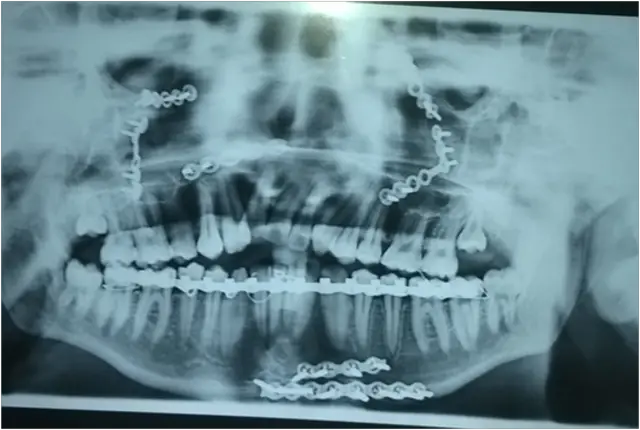
A specialist may perform a detailed physical examination and use dental X-rays, CT scans, or other imaging techniques to assess fractures and injuries to the facial structures.
5. How is facial trauma treated?
Treatment depends on the type and severity of the injury. It may include wound care, dental treatment, medication, fracture stabilization, or surgical repair to restore facial structure and function.