



Dentoalveolar Surgery
Our Dental Services
We always take care of your smile & Self Confidence
Hot Line Number:
0120-2505505
Monday To Saturday
11: 00 AM - 2:00 PM
6:00 PM - 8:30 PM
Dentoalveolar Surgery
These are many Minor Oral Surgical procedures which are broadly classified under the category of Dento
Alveolar Surgery.
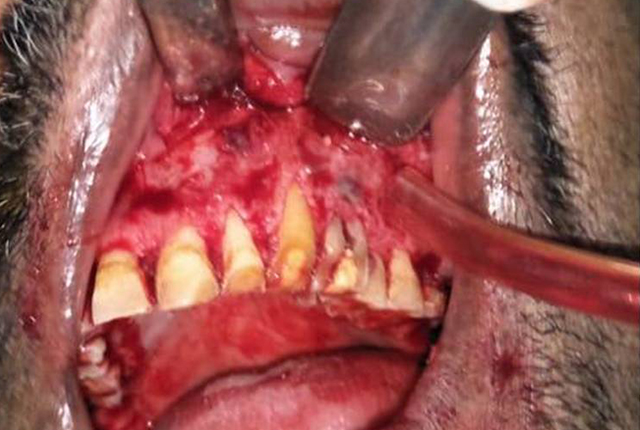
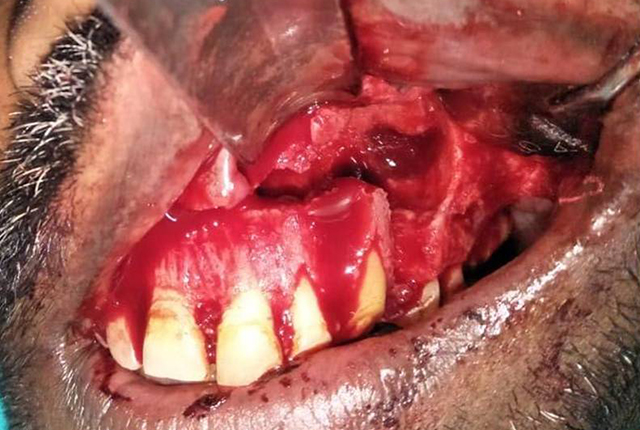
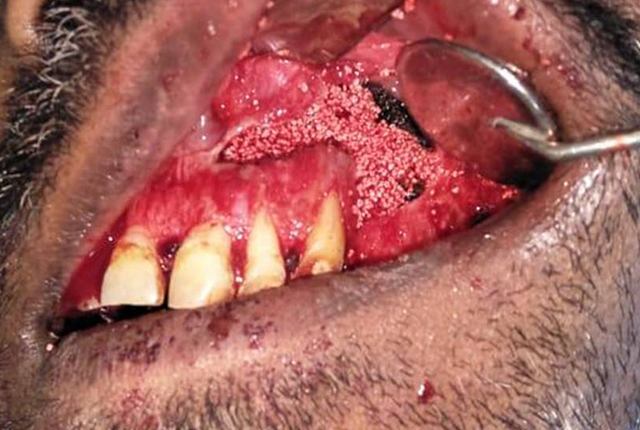
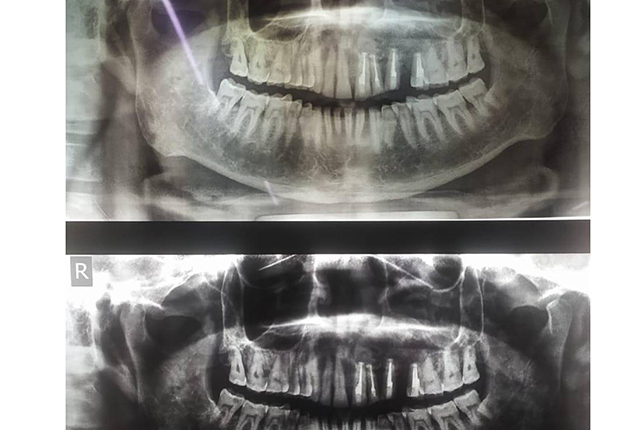
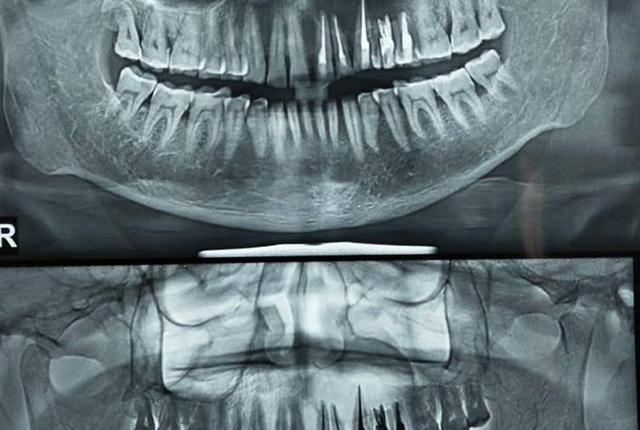
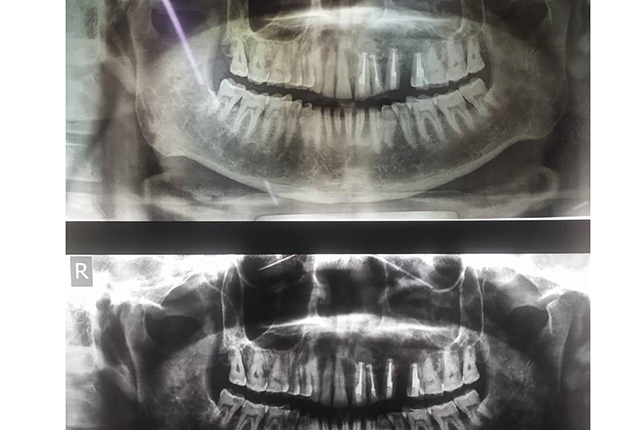
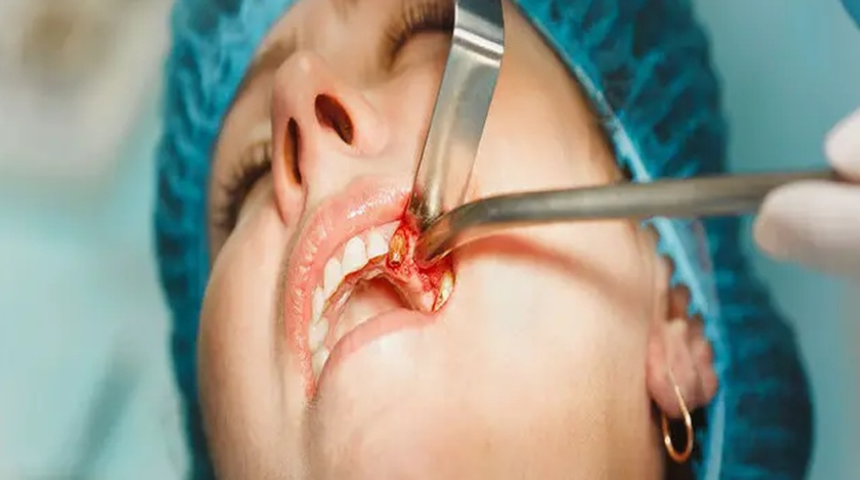
Periapical Surgery - Dentoalveolar Surgery is one of the commonest procedures which are done in cases when Infection (Granulation tissue) above the root apex is very large and can’t be removed by Root canal Treatment alone.
Alveoloplasty - Alveoloplasty is required to make alveolar ridge smooth and without any undercuts so that Dentures can be used without any discomfort.
Key Benefits of Dentoalveolar Surgery
Treats Complex Dental Conditions – Helps manage a wide range of conditions involving the teeth, gums, and surrounding jawbone when routine dental treatment may not be sufficient.
Supports Tooth Preservation – Certain procedures can help treat infection, impacted teeth, or damaged surrounding tissues while preserving healthy dental structures whenever possible.
Improves Oral Function – Addresses dental and supporting bone problems that may affect chewing, biting, speaking, or normal mouth function.
Promotes Better Oral Health – Helps manage infections, impacted teeth, and other conditions to support healthier teeth, gums, and surrounding tissues.
Personalized Surgical Care – Treatment is planned according to the patient's dental condition, oral anatomy, overall needs, and desired functional outcome.

- Comprehensive Dental & Jaw Evaluation
- Treatment of Impacted & Problematic Teeth
- Management of Dental Infections & Bone Conditions
- Tooth-Preserving Surgical Techniques
- Customized Treatment & Post-Surgical Care
FAQs - Dentoalveolar Surgery
1. What is Dentoalveolar Surgery?
Dentoalveolar surgery involves surgical procedures performed on the teeth, gums, and surrounding jawbone. It is commonly used to manage complex dental conditions that may require specialized surgical care.
2. When is Dentoalveolar Surgery recommended?
It may be recommended for impacted or difficult-to-remove teeth, dental infections, tooth-related cysts, damaged teeth, bone abnormalities, and other conditions affecting the tooth and surrounding structures.
3. Is Dentoalveolar Surgery painful?
The procedure is performed under appropriate anesthesia to minimize discomfort during surgery. Some swelling, soreness, or discomfort may occur afterward and can usually be managed with prescribed medications and proper aftercare.
4. How long does recovery take after Dentoalveolar Surgery?
Recovery varies depending on the type and complexity of the procedure. Many patients experience initial healing within a few days to weeks, while complete healing of the surrounding tissues may take longer.
5. What should I expect after Dentoalveolar Surgery?
Patients may experience temporary swelling, mild discomfort, or difficulty chewing around the treated area. Following the surgeon’s post-operative instructions helps support proper healing and recovery.