



Temporo Mandibular Joint
Our Dental Services
We always take care of your smile & Self Confidence
Hot Line Number:
0120-2505505
Monday To Saturday
11: 00 AM - 2:00 PM
6:00 PM - 8:30 PM
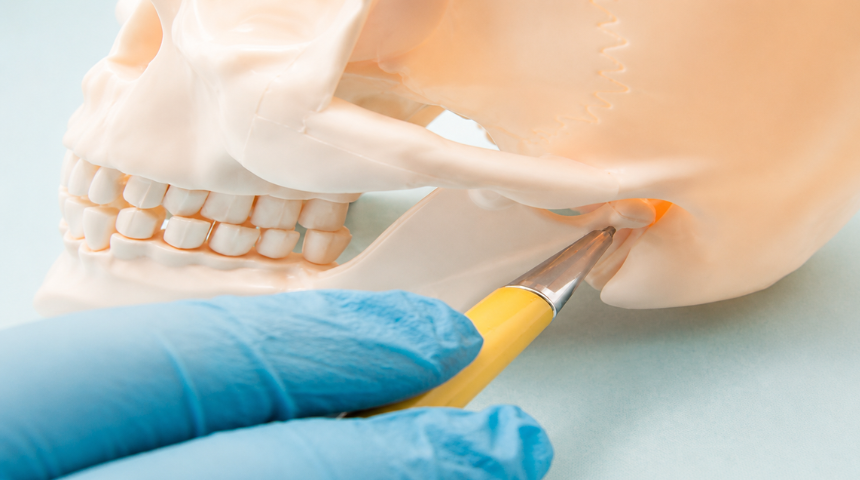
Temporo Mandibular Joint( Lower Jaw Joint)
Temporomandibular joints (TMJs) are located in front of External Ear and are one of the most commonly used joints. These are also one of the most complex joints and play crucial roles in mastication and speech. The most common causes of temporomandibular disorders (TMDs) are muscular disorders, which are commonly referred to as myofascial pain and dysfunction.
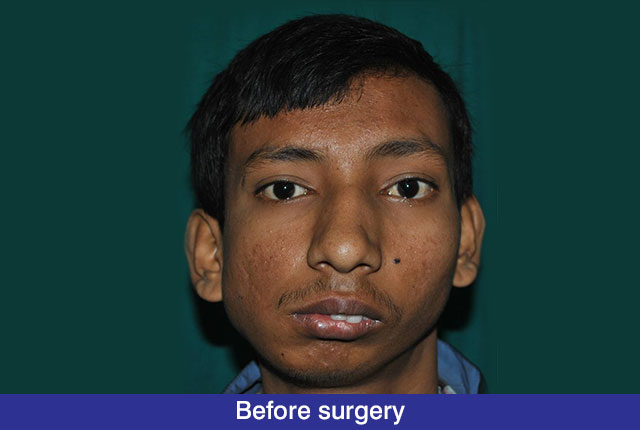
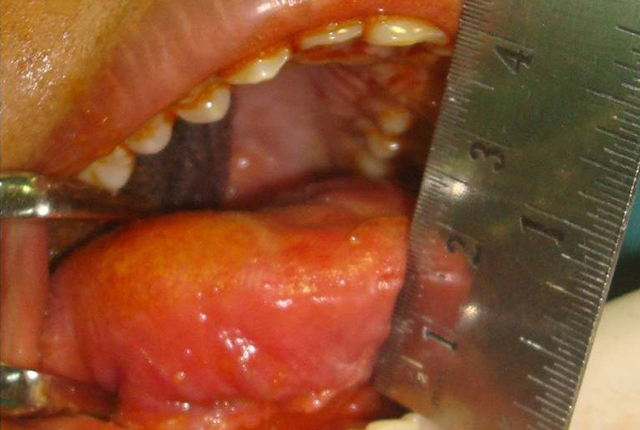
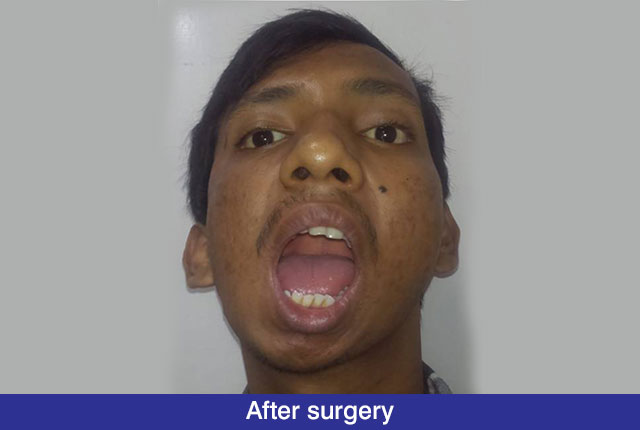
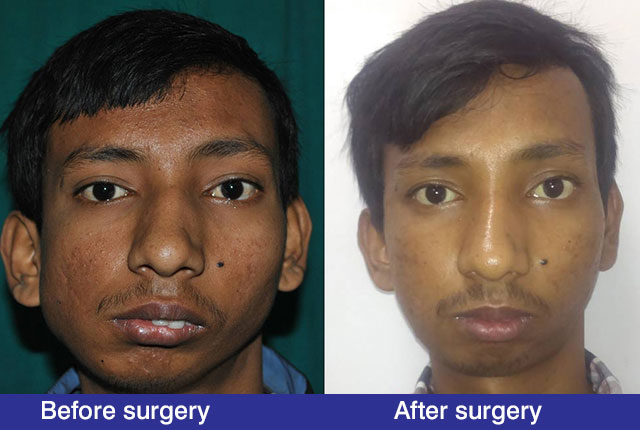
Other causes of temporomandibular pain or dysfunction originate primarily within the temporomandibular joint (TMJ). These causes include internal derangement, osteoarthritis, rheumatoid arthritis, chronic recurrent dislocation, and infection. Although most of these disorders respond to nonsurgical therapy, some patients may eventually require surgical treatment. Ankylosis is a very common problem in India in which mouth opening gradually reduces and jaw growth also stops. Commonest cause of TMJ
Ankylosis is injury to the chin and fracture of Condyles during childhood, Neoplasia (tumor) and TMJ Ankylosis requires surgery.
Key Benefits of Temporo Mandibular Joint
Relieves Jaw & Facial Pain – Helps reduce pain and discomfort in the jaw, face, ears, and surrounding muscles caused by TMJ disorders.
Improves Jaw Movement – Restores smoother and more comfortable jaw movement, making activities such as opening the mouth, speaking, and yawning easier.
Reduces Clicking & Locking – Helps manage symptoms such as clicking, popping, stiffness, and occasional locking of the lower jaw.
Improves Chewing & Bite Function – Supports better jaw function and makes biting and chewing food more comfortable and efficient.
Enhances Overall Quality of Life – Proper TMJ care can reduce ongoing discomfort and help improve eating, speaking, sleeping, and everyday activities.

- Detailed TMJ & Jaw Assessment
- Accurate Diagnosis of Joint Disorders
- Personalized Treatment Planning
- Management of Jaw Pain & Restricted Movement
- Advanced Care for Long-Term Jaw Function
FAQs - Temporo Mandibular Joint
1. What is the Temporomandibular Joint (TMJ)?
The TMJ is the joint that connects the lower jaw to the skull. It allows you to open and close your mouth and perform movements needed for chewing, speaking, and yawning.
2. What are the common symptoms of TMJ problems?
Common symptoms include jaw pain, clicking or popping sounds, difficulty opening the mouth, jaw stiffness, headaches, facial discomfort, and pain while chewing.
3. What causes TMJ disorders?
TMJ problems may be associated with jaw injuries, teeth grinding or clenching, arthritis, muscle tension, bite-related issues, or other conditions affecting the jaw joint.
4. How are TMJ disorders diagnosed?
A specialist may examine the jaw movement, muscles, bite, and symptoms. Depending on the condition, dental X-rays, CT scans, MRI, or other diagnostic tests may also be recommended.
5. Can TMJ problems be treated without surgery?
Many TMJ conditions can initially be managed with non-surgical approaches such as lifestyle changes, medication, physiotherapy, exercises, or bite management. The appropriate treatment depends on the underlying cause and severity of the condition.